
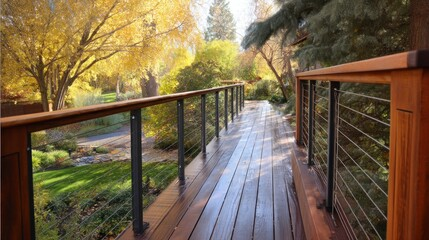
Walk up to a building entrance, climb a staircase, or stand on a balcony, and there is a good chance you are holding onto a metal railing. These structures often go unnoticed, yet they play a crucial role in safety, stability, and architectural design. A well designed metal railing does more than provide support.
It enhances the appearance of a property while ensuring that people can move through spaces safely and confidently. Metal railings combine durability with visual appeal, making them one of the most popular choices for residential, commercial, and industrial environments. Visit https://www.83metalcraftboise.com/ to learn more about metal railings.
What Are Metal Railings and Why They Are Important
Metal railings are protective barriers or support structures made from metal materials such as steel, aluminum, or iron. They are commonly installed along staircases, balconies, walkways, decks, and ramps to prevent falls and provide stability.
The primary function of a metal railing is safety. Railings offer a reliable handhold for individuals using stairs or elevated platforms. They also create boundaries that prevent accidental falls from heights.
Beyond safety, metal railings contribute significantly to the design of a structure. The style, finish, and shape of the railing can complement the architectural elements of a building. Whether modern or traditional, railings can add character and visual balance to a space.
Another reason metal railings are widely used is their durability. Metal materials are strong and capable of withstanding heavy use and environmental exposure. This makes them suitable for both indoor and outdoor applications.
Because of their strength and adaptability, metal railings have become an essential feature in many types of construction projects.
Types of Metals Used in Railings
Several types of metals are commonly used in railing systems, each offering unique advantages depending on the environment and design requirements.
Steel is one of the most widely used materials for railings. It is known for its strength and ability to support heavy loads. Steel railings are often used in commercial buildings, staircases, and outdoor structures where durability is essential.
Aluminum is another popular material due to its lightweight nature and resistance to corrosion. Aluminum railings are often used for balconies, decks, and outdoor spaces where exposure to moisture and weather conditions is common.
Wrought iron railings are valued for their decorative qualities. This material allows for intricate patterns and artistic designs that enhance the visual appeal of a structure. Wrought iron railings are often used in traditional or decorative architectural settings.
Stainless steel is known for its sleek appearance and resistance to rust. It is commonly used in modern designs where clean lines and minimalistic aesthetics are preferred.
Selecting the appropriate metal ensures that the railing system meets both functional and aesthetic requirements.
Benefits of Installing Metal Railings
Metal railings offer several advantages that make them a preferred option for many property owners and builders. One of the most significant benefits is strength. Metal railings provide sturdy support and can withstand significant pressure without bending or breaking.
Durability is another key benefit. Metal railings are capable of lasting for many years with proper care. They resist damage from everyday wear and can handle changing weather conditions when installed outdoors.
Low maintenance is also an important advantage. Compared to materials such as wood, metal railings typically require less frequent repairs and maintenance. Protective coatings and finishes help prevent rust and corrosion.
Versatility in design is another appealing feature. Metal railings can be customized in various shapes, patterns, and finishes. This flexibility allows designers to create railings that match the architectural style of a property.
Additionally, metal railings contribute to safety by providing reliable support for individuals navigating stairs or elevated platforms. Their sturdy construction ensures long lasting performance.
Design Options for Metal Railings
One of the reasons metal railings remain popular is the wide range of design possibilities they offer. Designers and property owners can choose from various styles that complement both modern and traditional architecture.
Simple horizontal or vertical bars are often used in contemporary designs. These railings provide a clean and minimalistic appearance that works well in modern homes and commercial buildings.
Decorative metal railings feature patterns and artistic details that enhance visual interest. Curved shapes, scrollwork, and geometric patterns can transform a railing into a design feature rather than just a functional structure.
Glass panels are sometimes combined with metal frames to create a sleek and open appearance. This design allows for unobstructed views while still maintaining safety.
Finishes also play an important role in the appearance of metal railings. Painted finishes, powder coatings, and polished metal surfaces allow homeowners and designers to achieve the desired aesthetic.
By selecting the right design elements, metal railings can become a prominent architectural feature.
Where Metal Railings Are Commonly Used
Metal railings are used in many different environments because of their versatility and durability. Staircases are one of the most common locations for railing installations.
Indoor stair railings provide support for individuals moving between floors. They also contribute to the interior design of the space by adding structure and style.
Balconies and terraces also rely on metal railings for safety. These railings create protective barriers that prevent falls while maintaining visibility and openness.
Decks and outdoor patios frequently incorporate metal railings to provide stability and security. The strength of metal materials makes them well suited for outdoor environments where exposure to weather conditions is unavoidable.
Public spaces such as parks, walkways, and commercial buildings also utilize metal railings. In these settings, railings must withstand heavy use and provide dependable safety for large numbers of people.
The adaptability of metal railings allows them to serve a wide range of structural and decorative purposes.
Maintenance and Longevity of Metal Railings
Although metal railings are known for their durability, proper maintenance helps ensure they remain in excellent condition for many years. Regular cleaning is one of the simplest ways to preserve their appearance.
Dust, dirt, and environmental debris can accumulate on railing surfaces over time. Washing the railings with mild cleaning solutions helps maintain their finish and prevents buildup.
Inspecting railings periodically allows property owners to identify minor issues such as loose fittings or small scratches. Addressing these issues early prevents larger problems from developing.
Protective coatings play an important role in extending the lifespan of metal railings. Powder coatings and specialized paints create barriers that protect the metal from moisture and corrosion.
Outdoor railings may require occasional touch up work if the finish becomes damaged. Maintaining the protective layer ensures that the underlying metal remains protected from environmental exposure.
With proper care, metal railings can maintain their strength and appearance for decades.
Why Metal Railings Are a Long Term Investment
Installing metal railings is often considered a long term investment in both safety and design. The strength and resilience of metal materials provide reliable protection for elevated areas and staircases.
Unlike some materials that deteriorate quickly, metal railings maintain their structural integrity over time. This durability reduces the need for frequent replacements or repairs.
Metal railings also contribute to the overall value of a property. Well designed railings enhance the appearance of a building and demonstrate attention to safety and detail.
Because of their adaptability, metal railings can also be integrated into various architectural styles. Whether used in modern homes, historic properties, or commercial buildings, they remain a timeless and practical solution.
Investing in quality metal railings ensures that both safety and visual appeal are preserved for years to come.
Conclusion: The Lasting Value of Metal Railings
Metal railings play an essential role in both safety and architectural design. They provide reliable support for staircases, balconies, and walkways while enhancing the appearance of the spaces they occupy.
Through the use of durable materials such as steel, aluminum, and iron, metal railings offer long lasting strength and resilience. Their versatility allows them to complement a wide range of building styles and design preferences.
With thoughtful design and proper maintenance, metal railings remain a valuable feature that protects individuals and enhances property aesthetics. Their combination of functionality and style ensures they will continue to be an important part of modern construction and design.