Water damage is one of the most stressful problems a homeowner or property manager can face. Whether caused by burst pipes, severe weather, appliance malfunctions, or unexpected leaks, water intrusion can quickly disrupt the safety and stability of a building. While the immediate concern often focuses on visible water pooling across floors or soaking into walls, the hidden consequences can be far more serious. Acting quickly during a water emergency is not just about cleaning up the mess—it is about protecting the structural integrity of the property and preventing long-term damage that can become extremely expensive to repair.
When water enters a structure, it does not remain in one place for long. It spreads through porous materials such as drywall, wood, insulation, and flooring. These materials act like sponges, absorbing moisture and allowing it to travel deeper into the building. Within hours, moisture can reach structural components that are normally protected behind walls and under floors. This rapid spread is why emergency Water Damage Restoration Utah is so important. Immediate response helps stop the water from penetrating further and limits the areas that require repair.
The structural components of a building are designed to remain dry and stable. Wood framing, support beams, subfloors, and foundations rely on balanced moisture levels to maintain their strength. When water saturates these materials, it begins to weaken them. Wood can swell, warp, and lose its load-bearing capacity. Metal components may begin to corrode, and adhesives used in construction materials can deteriorate. If the water damage is not addressed quickly, the building’s framework may begin to shift or degrade over time, creating safety concerns for occupants.
One of the biggest risks associated with delayed water damage restoration is the gradual deterioration of structural materials. The damage often begins subtly. Floors may feel slightly soft, walls may develop faint discoloration, or small cracks may appear near baseboards. These early warning signs are often overlooked because they do not seem urgent. However, beneath the surface, moisture may be compromising the structural components that hold the building together. Fast action can stop this process before it leads to serious structural failure.
Another important factor to consider is how quickly mold can begin to develop in damp environments. Mold spores are naturally present in the air, and they thrive in moist conditions. When water damage occurs, these spores can settle into wet materials and begin to grow within a very short time. Once mold colonies form, they spread quickly through walls, ceilings, and ventilation systems. In addition to causing unpleasant odors and stains, mold can accelerate the deterioration of building materials and create unhealthy indoor conditions. Rapid water extraction and drying help eliminate the moisture that mold needs to survive.
Beyond structural concerns, prolonged water exposure can cause severe damage to flooring systems. Carpets, hardwood floors, laminate materials, and subflooring layers are particularly vulnerable to moisture. When water penetrates these layers, it can cause expansion, buckling, and separation between materials. Over time, the flooring may lose its stability and require full replacement. By addressing water damage immediately, restoration professionals can often salvage portions of the flooring that would otherwise be destroyed.
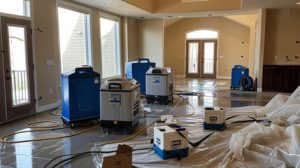
The speed of the response plays a critical role in determining how extensive the damage becomes. Within the first several hours after water exposure, the focus is usually on removing standing water and preventing it from spreading. Specialized extraction equipment can remove large volumes of water quickly, reducing the amount absorbed by surrounding materials. After the visible water is removed, powerful drying equipment and airflow systems are used to draw out hidden moisture trapped in walls and flooring.
Homeowners and property managers should understand that water damage does not always appear as dramatic flooding. Even a slow leak can create significant structural issues if it goes unnoticed. Pipes hidden behind walls or under flooring may drip continuously for days or weeks before the problem becomes visible. During that time, moisture accumulates inside building materials and slowly weakens them. This is why quick response and professional evaluation are essential whenever signs of water intrusion appear.
There are several reasons why immediate water damage restoration can dramatically reduce repair costs and protect the structure of a building:
- Prevents structural weakening – Fast water removal stops moisture from soaking into support beams, wall studs, and subfloors.
- Reduces mold growth risk – Rapid drying removes the conditions that allow mold to develop and spread.
- Minimizes material damage – Floors, walls, and insulation are more likely to be salvaged when drying begins quickly.
- Limits repair scope – Early intervention prevents damage from spreading to additional rooms or structural components.
Another major concern with untreated water damage is the effect it can have on insulation materials. Insulation is designed to trap air and regulate temperature within the home. When insulation becomes wet, it loses its ability to perform this function effectively. Saturated insulation may compress, break down, or harbor mold growth. In many cases, wet insulation must be completely removed and replaced, which can significantly increase restoration costs. Rapid drying and moisture control help protect these materials and reduce the need for extensive reconstruction.
Electrical systems can also be affected when water enters a building. Outlets, wiring, and electrical panels are vulnerable to moisture intrusion. Even small amounts of water can cause corrosion within electrical components, leading to potential hazards such as short circuits or system failures. Acting quickly during a water emergency reduces the likelihood that water will reach these critical systems and cause long-term electrical problems.
The restoration process itself involves much more than simply drying visible surfaces. Professionals use specialized tools to measure moisture levels inside walls, ceilings, and flooring materials. Moisture meters and thermal imaging devices help identify hidden pockets of water that may not be visible to the naked eye. By locating these areas early, restoration teams can ensure that drying efforts reach every affected section of the building.
Homeowners often underestimate how long moisture can remain trapped inside structural materials. Even after surfaces appear dry, hidden moisture may still linger deep within walls or flooring layers. Without proper drying techniques, this trapped moisture can continue to damage materials for weeks. This is why professional restoration methods focus on both water removal and controlled drying to fully stabilize the building structure.
Another reason fast action is essential involves the potential impact on indoor air quality. Damp building materials can release musty odors and airborne particles that affect the comfort of the indoor environment. When moisture persists, microbial growth may occur, which can worsen these conditions. Rapid restoration efforts help restore healthy indoor air conditions by removing moisture before it becomes a long-term problem.
To reduce the likelihood of structural damage after a water incident, property owners should take a few key steps as soon as possible:
- Shut off the water source if possible to stop additional water from entering the structure.
- Move valuables and furniture away from wet areas to prevent further damage.
- Increase airflow in the affected space by opening windows or using fans if conditions allow.
- Seek a professional assessment quickly to determine the extent of hidden moisture and structural risk.
While these steps can help minimize immediate damage, professional restoration services play a critical role in ensuring that the building is fully dried and stabilized. Advanced drying equipment, dehumidifiers, and moisture monitoring tools are necessary to remove water from areas that household fans or simple cleanup methods cannot reach.
It is also important to recognize that structural damage from water exposure does not always appear immediately. Over time, once saturated materials may begin to warp, crack, or weaken as they dry unevenly. Floors may develop uneven spots, walls may bow slightly, and support structures may lose their original alignment. By acting quickly and addressing the problem thoroughly, property owners can prevent these delayed effects from developing.
Water damage emergencies are unpredictable, but preparation and quick response can make a significant difference in the outcome. Understanding how rapidly moisture spreads through building materials highlights the importance of treating water intrusion as an urgent issue rather than a minor inconvenience. The sooner the drying and restoration process begins, the greater the chances of preserving structural components and reducing overall repair costs.
In the long run, fast action during a water emergency protects more than just the appearance of a building. It safeguards the framework that keeps the structure stable and secure. When moisture is removed quickly and materials are properly dried, the building can return to its original condition without extensive reconstruction.
Emergency water damage restoration is ultimately about preventing small problems from becoming major structural failures. What begins as a leak or spill can escalate into widespread damage if left untreated. By responding quickly and addressing water intrusion immediately, homeowners and property managers can protect their investment, maintain a safe living environment, and avoid the costly consequences that often follow delayed restoration efforts.